Abfraction Lesions: Causes, Signs, and Care Options
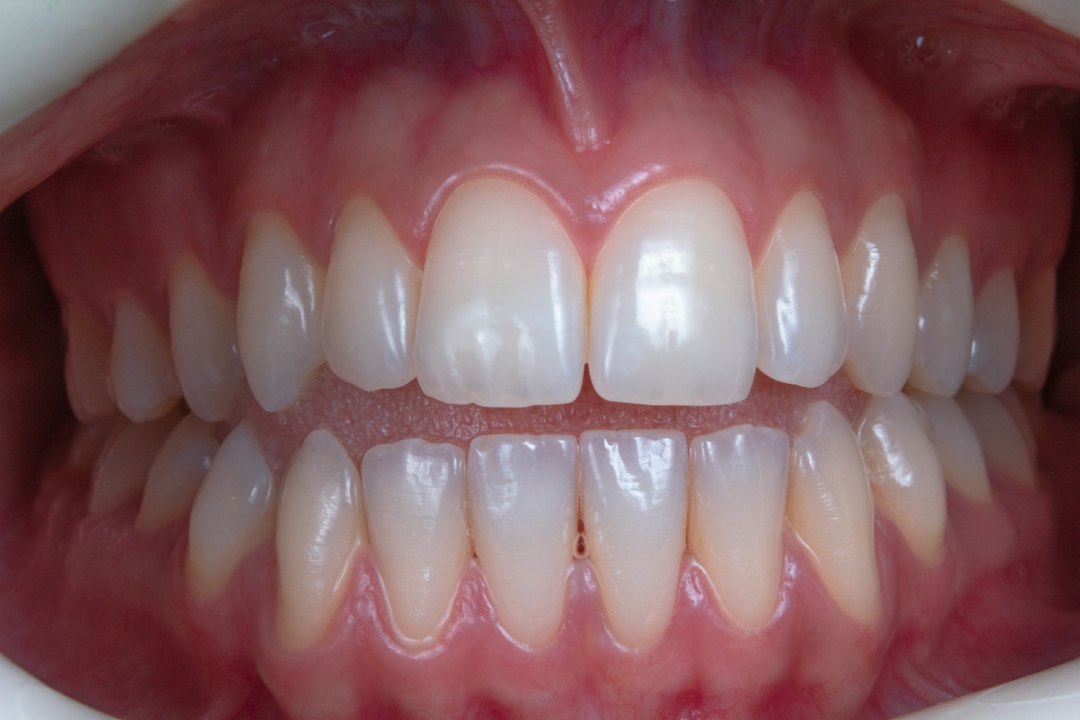
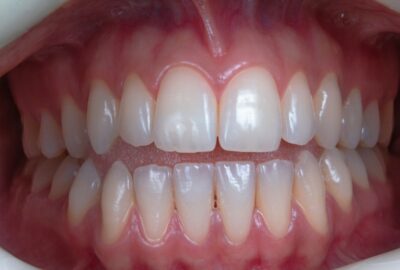
Abfraction lesions are V- or wedge-shaped notches at the gumline caused mainly by repeated biting stresses that flex the tooth, and they are not cavities. Good news: the dark shadow you notice is often exposed dentin, not decay.
Small, painless abfraction lesions are commonly monitored while sensitivity is managed, but deeper or symptomatic notches may be restored and the biting forces behind them (like clenching or grinding) addressed. Your next step depends on symptoms, size, and whether your dentist sees heavy bite contacts that keep flexing that tooth.
Abfraction lesions: what they are and what to do now
Pronunciation: ab-FRAK-shun. In plain terms, abfraction is a form of non-cavity wear at the neck of the tooth, usually near where the enamel meets the root. It forms when repeated biting forces make a tooth flex microscopically; over time, the thin enamel and cementum at the gumline can lose substance, leaving a wedge-shaped notch.
Quick decision guide:
- If there is no pain, the notch is shallow, and it has not changed in a year, monitoring with sensitivity care is reasonable.
- If you feel sharp zings to cold or sweet, the notch catches your fingernail, or you see fast change, book a dental exam soon.
- If you clench or grind at night or wake with jaw tightness, ask about a custom nightguard to reduce uneven stress.
- If a filling keeps popping out in the same spot, address the biting forces before another restoration.
Snapshot of typical time and cost in the U.S. (ranges vary by location and insurance): over-the-counter desensitizing toothpaste: daily at home, a few dollars per month; in-office fluoride varnish: minutes chairside, roughly a few dozen dollars per application; custom nightguard: a couple of short appointments, often a few hundred dollars; conservative tooth-colored filling: one visit, a few hundred dollars; crown or onlay: two visits, typically near or above a thousand dollars. None of these options stop wear by themselves if biting stress continues, so addressing forces matters.
What not to do: do not scrub aggressively with a hard-bristle brush; avoid highly abrasive pastes or whitening powders on notched areas; do not pick at the notch; and do not delay a visit if sharp edges or sensitivity appear quickly.
What abfraction looks and feels like
Location and shape: Abfraction commonly shows near the gumline, often on premolars and canines. The hallmark appearance is a V- or wedge-shaped notch with sharper internal angles than simple brushing wear. In some mouths, the notch looks like a tiny trench or a chisel mark right at the neck of the tooth.
Surface feel: Run your tongue or a fingernail over the area. Abfraction can feel smooth and glassy if it has been polished by brushing, or slightly rough if the exposed dentin is new. If your fingernail catches on a sharp edge, that is a sign to have it examined.
Typical symptoms: Many early lesions are silent. If symptoms occur, they are often brief sensitivity to cold drinks, sweet foods, or air when breathing in. Some people feel a quick zing on toothbrushing. Lingering throbbing is uncommon and suggests another issue that needs a dentist’s assessment.
How it differs from a cavity at the gumline: Cavities form from bacterial acid dissolving tooth structure and usually feel softer or sticky when the dentist probes them. Abfraction is wear from stress and often looks clean, with defined walls, not the soft, decayed feel of a cavity. Both can happen in the same place, which is why an in-person exam is important.
Why abfraction lesions happen
Primary driver: tooth flexure. When you bite, especially during clenching or grinding, teeth flex slightly. The neck of the tooth has thin enamel and, below it, a layer called cementum covering the root. Repeated flexing concentrates stress here, which can gradually remove enamel or cementum and uncover dentin, leaving a wedge-shaped notch.
Contributing factors: abrasion and acids. Even if flexure starts the notch, daily brushing with a firm hand, hard bristles, or gritty toothpaste can polish and widen that groove. Acidic foods and drinks soften the surface temporarily, so brushing right after an acid hit can remove more material than you expect. The result is often multifactorial: flexure initiates, abrasion smooths, and acids keep the surface susceptible.
Who tends to be affected: People who clench during the day, grind at night, or have heavy contacts on a few teeth can be more prone. A high-stress lifestyle, long commutes, or focused work can go hand-in-hand with clenching. Teeth that stand slightly out of the arch or meet early in the bite may carry extra load. None of this means anything is wrong with you; it is simply the way forces and habits add up on specific teeth.
Abfraction vs abrasion vs erosion vs attrition vs recession
Several conditions can show up at or near the gumline and look similar. Use the table below to compare everyday visual and feel cues, usual causes, and common care approaches.
| Condition | Where on tooth | Typical shape/appearance | Usual cause | Surface feel | Sensitivity triggers | Typical management |
|---|---|---|---|---|---|---|
| Abfraction | Gumline/neck | V- or wedge-shaped notch with sharper angles | Tooth flexure from clenching/grinding; uneven bite | Can be smooth or slightly rough | Cold, sweet, touch | Monitor; sensitivity care; nightguard; conservative filling if deeper |
| Abrasion | Gumline/neck | Broader U-shaped groove, more rounded | Overzealous brushing; hard bristles; abrasive pastes | Smoother, polished | Cold, touch | Gentle brushing habits; softer brush; low-abrasive paste; fillings if needed |
| Erosion | Anywhere; common on enamel surfaces | Rounded, cupped, or satin-like surfaces; enamel thins | Acidic foods/drinks; stomach acid exposure | Silky, smooth | Cold, sweet | Limit acids; timing of brushing; remineralizing care; restorations if extensive |
| Attrition | Biting edges and chewing surfaces | Flattened edges; matching wear facets | Tooth-to-tooth grinding | Hard, flat | Usually minimal | Nightguard; bite adjustments when appropriate |
| Gum recession | Gumline; root exposure | Gums move down/up, root looks longer | Brushing habits; thin gum tissue; bite stress | Root feels slightly rougher than enamel | Cold, touch | Gentle brushing; desensitizing care; grafting only when indicated |
Common overlaps: You can have abfraction plus gum recession on the same tooth, or abfraction initiated by flexure that looks more rounded over time due to brushing. Your dentist’s job is to identify the main drivers on your teeth and track whether the area is stable or changing.
How dentists evaluate and monitor these notches
A dental exam looks for a set of clues rather than any single test:
- Location and shape: Is the notch sharp and V-like, broad and U-like, or a mix?
- Surface and feel: Does it feel hard and clean, or does a probe catch and feel sticky like decay?
- Sensitivity: Do you react to gentle air, cold, or touch at that spot?
- Bite assessment: Are there heavy contacts on that tooth? Does it hit early when you close or slide?
- Toothbrush and paste review: How do you brush, how often, and with what product?
- Acid exposure: How often do you sip sodas, citrus waters, sports drinks, or vinegar-based foods?
Monitoring over time: Many dentists keep photos and measurements to compare at recall visits. If a notch looks unchanged and causes no symptoms, conservative care is common. If it deepens or edges get sharp, they may recommend a small, blended restoration to protect the tooth and improve comfort.
Why immediate filling is not always first-line: Placing a filling into a flexure zone without addressing the forces can lead to margin staining or the filling loosening. That is why a nightguard or selective bite refinements may be considered alongside or before any restoration.
Management options: from least to more involved
Below is a quick-reference table for common care paths. These are typical ranges in the U.S. and are not quotes; your local fees and insurance rules vary. A dentist can tailor a plan to your mouth and goals.
| Option | Purpose | Typical time in chair/at home | Longevity/notes | Estimated US cost range |
|---|---|---|---|---|
| Desensitizing toothpaste | Reduce sensitivity by calming nerve response and supporting surface minerals | Twice daily at home; results often within 2–4 weeks | Ongoing use keeps benefits | $6–$12 per month |
| Fluoride varnish | Strengthen exposed dentin and ease sensitivity | Applied in minutes at a checkup | May be repeated periodically | $25–$60 per application |
| Custom nightguard (occlusal guard) | Distribute forces and reduce flexure during sleep | Two short visits: impressions/scan, then fit | Often lasts years with care; periodic checks needed | $300–$800 |
| Conservative composite filling | Cover the notch, protect dentin, improve comfort or appearance | Usually one visit, 30–60 minutes | Several years on average; depends on forces and hygiene | $150–$400 per surface |
| Crown or onlay (when indicated) | Rebuild larger loss and distribute biting stress | Typically two visits | Long-term solution for extensive damage | $900–$1,800+ |
Who may delay a filling: If you have a deep groove but also heavy grinding that is not yet managed, a dentist may suggest starting with sensitivity care and a guard, then reassessing. Restoring into an uncontrolled stress field can shorten the life of any restoration.
Daily care and habits that help
- Switch to a soft or extra-soft brush and use a light grip. Aim the bristles at a 45-degree angle to the gumline and move in gentle strokes. The goal is to clean, not sand.
- Pick a low-abrasive toothpaste. Many whitening or charcoal products are gritty; choose a paste labeled low abrasion or suited for sensitive teeth.
- Time brushing smartly around acids. After sodas, citrus, sports drinks, or vinegar dressings, rinse with plain water and wait about 30 minutes before brushing to let minerals return to the surface.
- Spread acidic choices out and use a straw for cold acidic drinks to lower contact with front teeth.
- Mind daytime clenching. Keep lips together, teeth apart, tongue relaxed against the palate. Brief micro-breaks during focused tasks can help.
- Ask about a nightguard if you wake with jaw tightness or if your dentist sees wear facets. Guards can reduce uneven stress on specific teeth.
- Schedule regular dental check-ins to track any change. A stable, comfortable notch often just needs watchful care.
For more everyday comfort ideas, see this guide to sensitivity-friendly habits and products: Sensitive teeth care: daily habits, products, and comfort tips. If you are refreshing your home routine, these practical basics also help: How To Take Good Care Of Your Teeth. And if you are looking for a new provider for a guard or restoration, this checklist can help you compare options: Tips To Help You Choose A Good Dentist.
Checklist: when to book a dental evaluation
- Pain or lingering sensitivity rather than a brief zing
- Deep or sharp notch that catches a fingernail or food
- Recent rapid change in size or color, or several teeth affected
- Signs of heavy clenching or grinding (jaw tightness on waking, chipped edges)
- Hard-bristle or high-abrasive brushing habits you are trying to change
- If any item is a yes, schedule an exam to get tailored advice
FAQs about abfraction lesions
What does abfraction mean in dentistry?
It refers to non-cavity loss of tooth substance at the cervical area (near the gumline) that is primarily associated with tooth flexure from biting forces. The result is commonly a V- or wedge-shaped notch.
What is a tooth notch at the gumline?
A gumline notch can be due to abfraction, abrasion from brushing, acids, or a mix of factors. Abfraction notches tend to have sharper internal angles. A dentist can tell you which factors are most relevant in your mouth and suggest a comfortable plan.
Can grinding cause holes in my teeth?
Grinding and clenching concentrate stress near the neck of teeth. Over time, that flexure can contribute to a wedge-like loss called abfraction, and it can also flatten biting edges (attrition). A custom nightguard may help distribute forces during sleep.
Is abfraction the same as gum recession?
No. Abfraction is loss of tooth substance, while gum recession is movement of the gum margin exposing more root. They can appear together, which is why daily brushing technique and force management both matter.
Abfraction vs abrasion: how can I tell?
Abrasion from brushing often looks broader and U-shaped with smoother, rounded walls. Abfraction commonly shows as a V- or wedge-shaped notch with a sharper internal angle. Many people have a bit of both; your dentist can note the dominant pattern.
How much does abfraction repair cost and how long does it take?
A small, tooth-colored filling usually takes 30–60 minutes and often costs a few hundred dollars per tooth in the U.S. A custom nightguard commonly costs a few hundred dollars and involves two short visits. Fluoride varnish is quick and relatively inexpensive. Costs vary widely; your dentist’s estimate is the best reference.
Bottom line: Abfraction is common, not an emergency, and very manageable with good daily habits, comfort-focused care, and attention to biting forces. If something feels different or you notice quick change, a timely exam helps keep small issues small.