Which VEVOR milking machines fit small French herds?
This article contains affiliate links. We may earn a commission if you buy through them.
It’s the first cool morning you plan to streamline milking. You’re weighing hand-milking against a compact unit and want clarity: will a small wheeled cow unit or a portable goat kit help—and what do the specs mean for comfort and hygiene? For small French herds, VEVOR milking machines put species-specific cups, controlled vacuum and biomimetic pulsation front and center so you can make a confident, practical choice.
Start with the job: do you need a milking machine now?
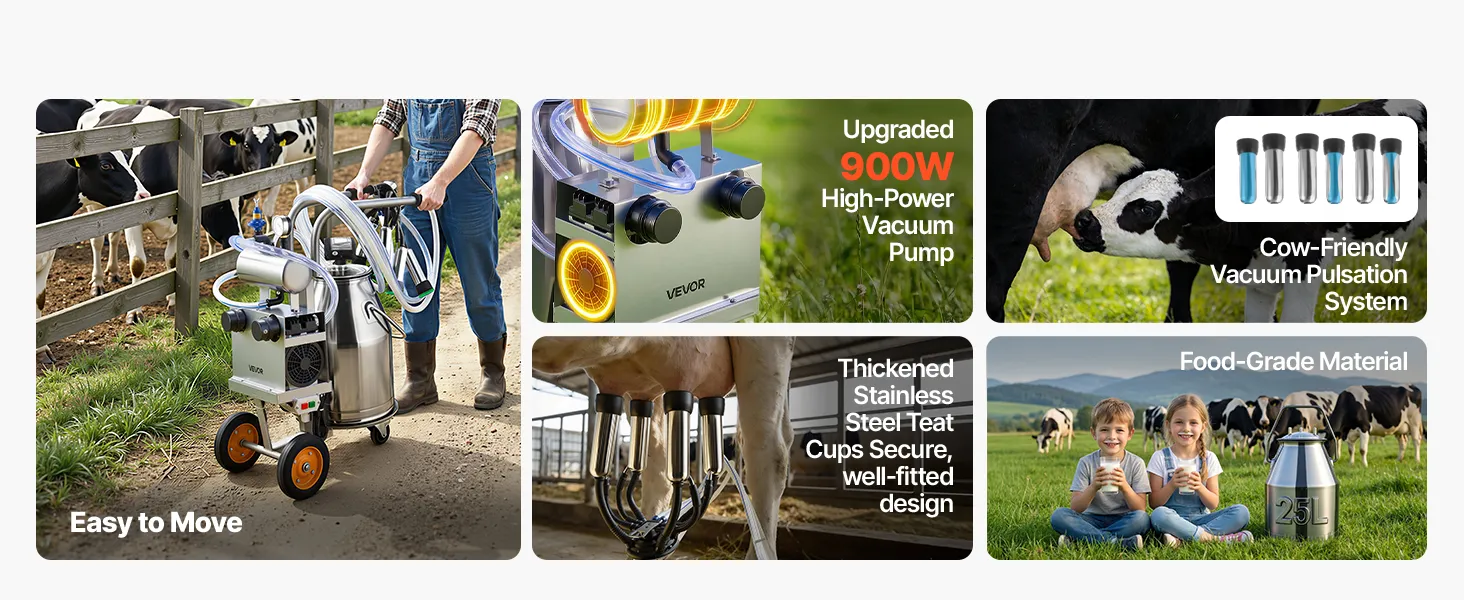
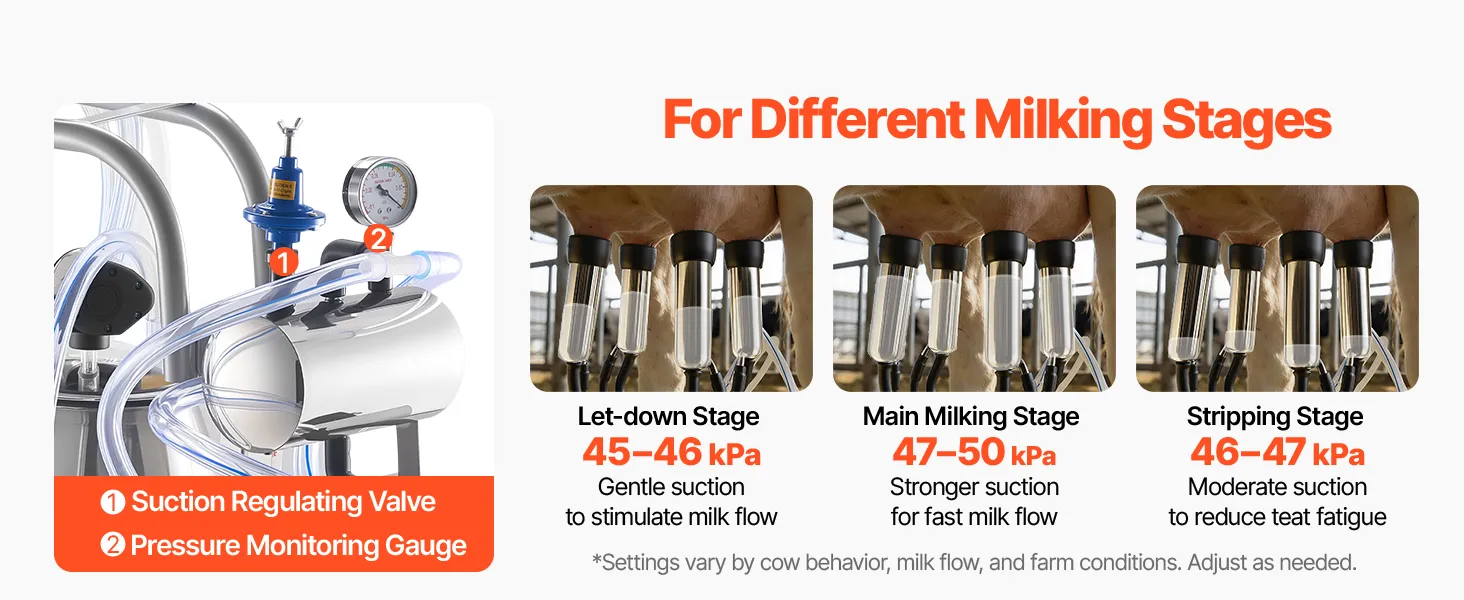
When a daily routine starts to feel slower than it should, a milker can standardize sessions and reduce hand strain. With VEVOR, the most immediate reasons are species-specific design, adjustable vacuum and biomimetic pulsation—all supported by food‑grade milk paths and sealed lines. On the cow unit, the vacuum is adjustable within a defined 45–50 kPa range, paired with a pulsation system that simulates natural suckling. The goat kit is tuned to a gentler 35–45 kPa range with the same pulsation principle. Both use 304 stainless steel buckets and silicone tubing in a sealed system intended to reduce leaks and help keep milk clean.
Put animal comfort first. A machine will not replace good stockmanship. It adds set‑up, cleaning and a bit of technique. If you would not take a few minutes to align vacuum with your animals and seat the cups correctly, hand‑milking may still be simpler. But if you are ready to bring a repeatable routine into the barn or yard, the controlled ranges and sealed milk path are the right starting points.
Pick by species first: cow or goat
Match the machine to the species. This is the gating choice. The VEVOR Machine à Traire Électrique pour Vaches Seau 25 L is designed exclusively for cows. If you plan to milk goats or sheep, it requires species‑specific teat cups that are not included. The VEVOR Machine à Traire Chèvre Seau 3 L is designed exclusively for goats; for a cow, it likewise requires species‑specific cups.
Why this matters: cup geometry and the vacuum profile must work with the animal’s teat size and tissue. Using species‑aligned cups reduces slippage and helps the stated vacuum range hold consistently around the teat. For mixed herds, you can plan for separate cups—or, if storage and workflow argue for it, separate devices—to keep sessions predictable.
How VEVOR milking machines work in everyday use
The cow unit’s 900 W pump creates a stable vacuum, adjustable to 45–50 kPa, while pulsation mimics a calf’s rhythm. In practice, that lets you start low, watch the flow and adjust toward the middle of the range to balance speed and comfort. For goats, the 35–45 kPa range supports a gentler approach with the same biomimetic action. In both cases, a consistent, measured vacuum is what keeps the cups seated without over-tightening.
Adjust vacuum within the stated range. Higher vacuum can shorten sessions but may increase discomfort if mis‑set; gentler settings support comfort but often take longer. Start conservatively for fresh animals, then move toward a steady flow. The cow unit adds simple handling touches—wheels and handles—and a one‑touch switch for quick starts and stops. The goat kit trades wall power for a 5200 mAh battery and a dust‑resistant charging port, so you can move between pens or out to pasture without hunting for a socket.
Materials and milk path make a practical difference. 304 stainless steel buckets are durable and easy to sanitize, while food‑grade silicone lines are flexible enough to route neatly without kinking. With a sealed system in both models, you’re less likely to drip between the shed and the bulk tank, and you’re better positioned to carry collected milk cleanly to your next step. Sealed lines help reduce spills, but they still depend on correct assembly and routine checks.
Taken together, these controls and materials point to a simple implication: use the spec ranges to set a baseline for your animals, keep your cleaning tools handy, and let the mobility features match where you actually milk.
Which VEVOR model fits your setup
Here is how the cow and goat models compare on the details that change your day: species alignment, vacuum range, bucket capacity and materials, and mobility features.
| Dimension | Cow unit | Goat kit |
|---|---|---|
| Species | Designed exclusively for cows; species‑specific cups needed for other animals | Designed exclusively for goats; species‑specific cups needed for cows |
| Vacuum and pulsation | Adjustable 45–50 kPa with biomimetic pulsation | Adjustable 35–45 kPa with biomimetic pulsation |
| Bucket and lines | 25 L 304 stainless bucket; food‑grade silicone tubing; sealed system | 3 L 304 stainless bucket; food‑grade silicone tubing; sealed system |
| Power and controls | 900 W vacuum pump; one‑touch switch | 5200 mAh rechargeable battery; dust‑resistant charging port; one‑touch switch |
| Mobility and handling | Three wheels and two handles for moving; cleaning brushes included | Portable for barns, pens and pasture |
Portability vs capacity is the real tradeoff. To check the goat kit’s battery and vacuum details, visit VEVOR France and search for the 3 L goat milking machine. Confirm the model reference, supplied cups, battery specification and included accessories on the current listing. Compare those details with your animals and work area before deciding. If the listing leaves an accessory or power requirement unclear, ask the retailer to confirm it before ordering, and use the product manual when planning the setup.
If you mostly milk a single cow in a fixed bay, the wheeled chassis and 25 L capacity mean fewer trips across the floor, while a one‑touch switch helps you control starts and stops around the animal’s movement. If you rotate goats through small pens or move with the herd, battery power and a dust‑resistant charging port reduce the tangle of cords around feet and bedding.
A worked choice for a small French holding
Plan for where you’ll milk. Imagine a holding with one dairy cow and two goats. If the cow is milked in a barn stall every morning, and the goats are usually milked outside or in a light shelter, you have two viable paths. First, prioritize the cow and choose the wheeled 25 L unit for barn use, then add species‑specific goat cups later if you can source them and if the vacuum and cup fit works for your goats. Second, prioritize the goats’ mobility and choose the portable 3 L goat kit for outside sessions, then plan a separate solution for the cow, since the goat kit is designed specifically for goats.
What changes the decision? Consider how often you move, the distance to power, and how much milk you collect in one go. The 35–45 kPa range on the goat kit and its battery allow flexible placement, while the cow unit’s 45–50 kPa range and larger bucket favor fewer bucket trips in a stable. Buying for today’s primary species is sensible; if needs change, you can add species‑specific cups or plan a second device rather than forcing a single setup to do everything.
Comfort, hygiene and durability: what the evidence says
Comfort starts with pulsation and vacuum control. Both models cite a biomimetic pulsation system that simulates natural suckling, and both specify narrow adjustable vacuum ranges to avoid chasing extremes. These features help you aim for a steady flow without over‑tightening. Hygiene is helped by food‑grade materials—304 stainless steel buckets and silicone lines—and by sealed milk paths that aim to reduce leaks and drips between the animal and your container.
Food-grade materials support hygiene. Still, these are not magic switches. Comfort and cleanliness depend on correct cup placement, appropriate vacuum settings and thorough cleaning after each session. The cow unit includes brushes for the lines, which lowers the barrier to routine care. On durability, VEVOR’s own product pages summarize customer feedback: the cow unit is generally effective but some users reported durability concerns such as oxidation or component issues, while the goat kit is described as functional and practical with occasional notes about part durability or capacity accuracy.
What should that change for a small holding? Expect functionality that supports daily small‑scale use if you maintain the system, but set your expectations below heavy commercial duty. If you run long, intensive milking blocks, inspect seals and switches more frequently and keep a spare silicone line or switch on hand where appropriate.
Set-up basics and your next step on VEVOR France
Before you buy, map your routine onto the hardware. The cow unit’s three wheels and two handles help with moving across concrete or rubber mats; a one‑touch switch simplifies quick stops when an animal shifts. It ships with cleaning brushes sized for the tubing, which makes daily care simpler. The goat kit’s dust‑resistant charging port and 5200 mAh battery tilt toward flexible, cord‑free placement in pens or under shelter. Use the included brushes to clean lines, and Check the manual before first use so your vacuum settings and cup assembly match the intended setup.
If you want to confirm current configurations and look for accessories like species‑specific cups, visit VEVOR France and look for the Machine à Traire category on the site. Your next step: list where and when you milk today, note your primary species and whether you need to move between pens, then check the model’s vacuum range and bucket size against that list. Proceed when the range, capacity and handling features clearly match the way you actually work.