MILK Photo Books vs Albums: Choose the Right Format for Your Story
This article contains affiliate links. We may earn a commission if you buy through them.
You’ve gathered the best images from a wedding, a year of family life, or a once‑in‑a‑lifetime trip—and now you want a piece you’ll be proud to share and to keep. MILK Photo Books puts two premium paths on the table: a stitched photo book built for longer narratives, and a lay‑flat album with rigid board pages for those showpiece spreads. The decision isn’t abstract. It dictates how your pages turn, how a double‑page panorama reads, the size you can comfortably handle, and how the book will live in your home.
Choosing MILK Photo Books or Albums
If you’re choosing between formats, it helps to start with what each is engineered to do. MILK Photo Books combine traditional bookmaking with modern digital printing to create a premium book that can accommodate longer stories. Books can hold significantly more pages without becoming unwieldy, so a yearbook, a big travel chronicle, or a multi‑chapter project can flow naturally. By contrast, MILK Photo Albums are designed for life’s big moments—weddings, milestone anniversaries, a first year—where impact per spread matters most. Their rigid, flush‑mounted board pages open to lie flat, making edge‑to‑edge photographs seamless.
That construction has tradeoffs. Albums lie perfectly flat on thick board pages, which elevates the presentation but limits total pages and adds heft. Books keep handling lighter, with flexible paper and a higher page ceiling. If you picture guests leafing through a coffee‑table piece anytime, a stitched book might be the right balance. If you want a headline image to stretch across the center seam without distortion, an album’s lay‑flat build delivers that stage.
Either way, the brand’s emphasis on handcraft and material choices is the draw. If you’re ready to compare the two families directly, visit MILK Books and look through their photo book and album ranges before you start laying out pages.
How books and albums differ in use
The mechanical differences govern how your project feels and ages. Photo books use flexible paper pages; albums use an approximately 1 mm thick, inflexible board. That single change transforms both weight and behavior at the spine. And the numbers are distinct. Photo books span roughly 24 to 300 pages, while albums typically run 24 to 80 pages. Magazines sit in between at 80 to 200 pages, and guest books usually range 16 to 80 pages. If you need to include every month’s highlights plus captions and ephemera, a book’s upper page limit gives you headroom. If you’re curating the peak 40–60 images from a wedding, an album’s board‑page arc will feel intentional, not constrained.
Binding types map to these structures. Softcover and Classic books use PUR binding—strong for everyday turning, but the pages are designed to bow gently from the center rather than lie flat. Premium Books: stitched, near-flat pages give a clean, controlled opening and bring text and images closer to the gutter without fighting the spine. Albums: flush mount, perfectly flat across a spread, so a panoramic image can meet dead center without a dip. The choice isn’t simply aesthetic; it decides whether a full‑bleed photo needs a gutter margin, and how the book behaves when left open during a conversation.
Cover materials also vary by format, which affects weight, texture and care. Hardcover books offer linen or coated cloth; softcovers use a water‑varnished card. Albums can be clad in linen or coated cloth for a refined fabric feel, or upgraded to leather for a more formal finish. If you’ll handle the piece frequently, a durable fabric cover may be practical; if it’s primarily for ceremonial display and safe storage, leather’s premium presence could fit your goals.
Sizes and the XL Collection
Size determines presence and practicality. MILK sets its album line in medium to large formats across portrait, landscape and square—there’s no truly tiny album option. That’s by design: board pages bring weight, and smaller sizes can compromise the presentation albums are meant to achieve. For compact projects or gifts, the Small Landscape Classic Photo Book (7 x 5.2 in) offers a book alternative that suits phone‑sourced or social images without overbuilding the object. Note that Extra Large Albums are portrait-only.
At the high end, the XL Collection raises the scale. Extra Large Portrait albums in the Premium and Leather families measure approximately 12.1 x 16.2 in and limit orientation to portrait for structural integrity. Extra Large Albums are portrait-only. XL is equally available in a Premium Photo Book and in an elevated Magazine format, both using XL uses 6‑color printing and archival papers to deepen tonal range and smooth gradients at size. These bigger canvases emphasize single images or thought‑out grid layouts with more breathing space.
With scale comes logistics: XL albums note a production window of 14–21 days, and any optional Presentation Box adds to the storage footprint but protects from dust and light. Fabric choices span linen and coated cloth; albums add genuine leather options, and the XL Premium Photo Book also offers a vegan‑leather cover. If you want to review dimensions and which formats come in which orientations, it’s smart to scan sizes at MILK Books and match them to your photo set before you design.
Printing, paper and binding explained
Print technology and paper stock influence both the look and the feel. MILK digitally prints using the latest technology and top quality inks, recreating photographs with liquid ink on archival papers. Unlike toner that can sit atop the sheet, these inks bind into the fibers, yielding smoother tonal transitions and a refined surface response. That’s the bedrock whether you choose a stitched book or a flush‑mount album: Archival papers with liquid‑ink printing serve image integrity first.
Craft matters as much as technology. Books and albums are handcrafted by expert bookmakers using traditional techniques—stitching sections in Premium Photo Books for controlled lay, flush‑mounting album spreads on board for true flatness. The results aren’t interchangeable. Flush‑mounts enhance flatness and stability, but they add thickness, weight and a defined page arc. Section‑sewn books open gently and predictably, while remaining lighter to hold and easier to shelve. Handcrafted binding and finishes signal longevity, but they also guide how you’ll display, handle and store the piece.
If you’re drawn to the statement piece, XL formats add another layer: 6‑color printing across the range, with archival papers selected for feel and reproduction. That combination enhances depth, richness and clarity at size. If your project lives at this scale, place it where it can be handled with support and stored safely when not being viewed.
Design MILK Photo Books on desktop or mobile
Designing should fit your workflow. You can build a project online in the MILK Design Studio on desktop or mobile, with thousands of designer templates and a smart Autofill that quickly drafts a layout from your images. The mobile studio adds on‑the‑go convenience—upload straight from your device and adjust layouts with touch gestures. It’s ideal for simpler compositions or when you’re assembling a book while traveling.
If you prefer a larger canvas and tighter control, start on a laptop or desktop. You’ll gain screen real estate for typography, fine alignment and pairing images across spreads. On Mac, there’s another route: install the project extension and create directly within the Photos app to leverage iCloud sync and Apple’s editing tools. Once you’re ready to start, visit MILK Books and open the Design Studio that matches your device. Design Studio with Autofill templates keeps you moving, while Create in Apple Photos on Mac keeps everything in one familiar place.
Worked examples: wedding, family yearbook, travel
Here are three plausible scenarios to illustrate how the differences play out. Wedding album: If your goal is a formal, heirloom‑grade piece with panoramic spreads—ceremony, first dance, a sweeping group photo—an album’s flush‑mount board pages make those images read as one uninterrupted scene. The typical 24–80 page range encourages decisive curation and yields a substantial presence. Consider a linen or coated cloth cover for a refined fabric finish, or leather if you prefer a more traditional, weighty feel. For signing at the reception, look at wedding guest book formats built on board pages as well.
Family yearbook: A stitched Premium Photo Book is a natural fit for longer narratives. Up to 300 pages lets you cover every month, birthdays, school events and the quieter moments that make a year feel whole. The near‑flat opening supports captions and multi‑image spreads without fighting the spine. If you want a compact gift version for relatives, a smaller Classic Photo Book provides a lighter, friendly format you can share widely.
Travel project: The Magazine format offers 80–200 pages on archival paper with PUR binding and a water‑varnished softcover—editorial in feel and good for serial storytelling at lighter weight. For a marquee trip where images deserve more scale, an XL Premium Photo Book adds size and 6‑color printing without the rigidity of board pages. If you’re weighing options while you outline the story, browse albums, stitched books and magazines at MILK Photo Albums and MILK Photo Books to see which format family aligns with your images and desired page count. Albums excel at panoramic spreads, while Books handle larger page counts with ease.
Covers, boxes and presentation choices
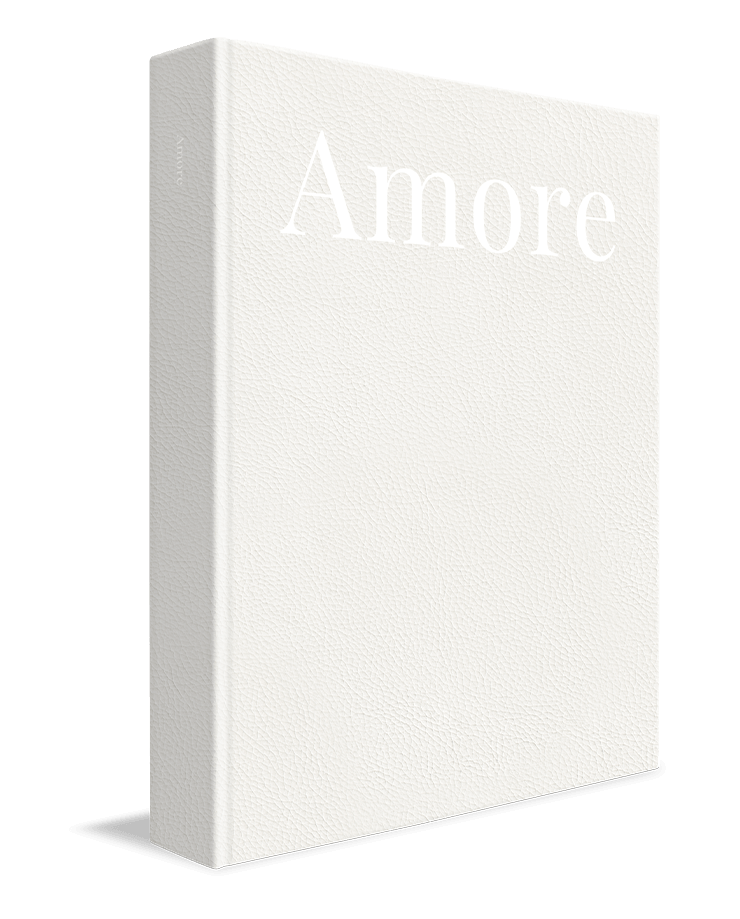
Covers and presentation affect both display and longevity. Hardcover Photo Books come in linen or coated cloth; softcovers are finished in water-varnished card for resilience. Albums expand the palette with linen, coated cloth and the option for leather—choices that change the tactile impression and perceived formality. Leather adds premium weight and a classic look; fabric covers keep handling easy and understated. The earlier image shows one closed white album, illustrating a finished cover and bound form rather than page-opening behavior.
For storage and gifting, consider the optional Presentation Box. It shields from light and dust and organizes the piece for safe shelving and transport. If you intend to pass the book down or display it selectively, Presentation Box aids longevity and signals the care you’ve put into the project. MILK offers a Presentation Box for select formats; use it when long-term storage or gifting is a priority.
Care tips to protect an heirloom
A few simple practices protect your investment. Store books, albums and magazines in a dark place to reduce fading; if that’s impractical, keep them away from direct sunlight and avoid leaving them open for long periods. Maintain a controlled environment: target humidity under 60% with ventilation so air can circulate freely. Keep humidity under 60% is a practical benchmark.
Handle the binding with care. Let book and magazine pages fall as they naturally do—don’t force them to lie flat, because that stresses the spine. Store albums flat to protect the spine, not upright, because the weight of thick board pages can pull on the binding over time. When viewing, support the back cover on a clean surface rather than suspending the volume by its cover. Keep the piece away from moisture and heat, and out of reach of pets or small children.
Shipping, currencies and ordering basics
Ordering basics help set expectations. You can shop on the site in multiple languages and pay in local currencies across listed regions, making it straightforward to purchase from the United States. Shipping is worldwide, secure and tracked—Worldwide, tracked shipping—so you can follow the journey. The brand also cites a large customer base and a satisfaction promise on product quality, and notes Free secure project storage for printed projects so you can revisit or reorder. For XL formats, plan for a production window of roughly 14–21 days before shipping.
Custom production and global delivery do introduce lead time and the possibility of customs duties depending on destination. The tradeoff is bespoke, archival printing with clear fulfillment and a record of your printed projects retained for future use—Free secure project storage.
Your next step with MILK
Once you’ve matched format to story, it’s time to begin. Match binding and size to your story by choosing the family that fits your page count and presentation needs: stitched books for longer narratives, flush-mount albums for spread-driven moments, XL when scale is central. This ensures print behavior and handling match your layout: albums open perfectly flat for uninterrupted spreads, while stitched books suit page-heavy narratives. Decide whether to start from a designer template—fast and cohesive—or from a blank canvas for total control; the former speeds progress, the latter trades time for customization. Begin with a format that fits the pages you need, confirm your cover and any Presentation Box, then open the Design Studio.
Explore options and start your project at MILK Books. As you upload photos, keep one condition in mind: if your layout relies on uninterrupted, edge-to-edge panoramas, an album likely earns the nod; if you’re telling a longer story with captions and variety, a stitched book keeps the project cohesive and comfortable to handle. Availability and pricing may vary by region on the brand site.