Is Fluoride Good for Teeth? Benefits, Safety, and Smart Use
Yes—fluoride is good for teeth. If you are wondering is fluoride good for teeth, the short answer is yes: at recommended levels it strengthens enamel and helps reduce cavities; everyday sources like fluoridated tap water and fluoride toothpaste each lower tooth decay by roughly 25%.
To get the benefits with minimal downsides, use fluoride correctly: brush twice daily with a fluoride toothpaste, spit out the foam instead of swallowing, and supervise young children so they use only a tiny amount. Check your local water’s fluoride level (aim around 0.7 mg/L), and if your tap, well, or bottled water has little or none, rely more on toothpaste and, when advised by your dental professional, professional fluoride applications.
Is fluoride good for teeth? The short answer, costs, and how to use it safely
Fluoride supports enamel in two key ways: it helps rebuild early mineral loss and makes enamel more resistant to acids produced by plaque and the sugars we eat. That is why communities with fluoridated water and people who brush with fluoride toothpaste see, on average, about a 25% reduction in tooth decay compared with similar groups without those sources.
Costs are straightforward: a tube of fluoride toothpaste is low-cost and lasts weeks; fluoride mouth rinses are also inexpensive; in-office applications cost more per visit but are used less often. Safety-wise, daily use at recommended levels is widely considered safe. The practical rule is to keep fluoride on teeth, not in the stomach—spit after brushing and help kids avoid swallowing. If you want more daily routine guidance, see these practical brushing and flossing tips from our site: how to take good care of your teeth and practical advice for a clean and healthy mouth.
How fluoride protects teeth
Enamel is a mineral-rich surface. Every day, acids from foods, drinks, and bacterial plaque dissolve tiny amounts of those minerals. Saliva and fluoride help tilt the balance back in your favor.
- Supports remineralization: Fluoride helps calcium and phosphate re-deposit into early weak spots. That can stabilize areas before they become full cavities.
- Makes enamel more acid-resistant: Fluoride encourages a tougher mineral form at the surface, which holds up better during acid challenges from snacks and sugary drinks.
- Helps limit the impact of cavity-causing bacteria: By strengthening surfaces and influencing plaque chemistry, fluoride makes it harder for those bacteria to keep producing acid right against enamel.
In short, fluoride shifts the daily tug-of-war toward stronger enamel and fewer spots of demineralization. Adults benefit too—root surfaces exposed by gum recession and enamel around old fillings can both gain from regular fluoride exposure.
Everyday sources of fluoride and how to use them
Most people combine several sources without realizing it. Here is what to know and how to use each one well.
Tap water (where fluoridated)
Many U.S. communities adjust water to about 0.7 mg/L of fluoride. That steady, low level throughout the day gives your mouth frequent small boosts. To find your local level, look up your utility’s Consumer Confidence Report, search for your area on public health portals, or call your water provider. If you use a private well, contact your local health department about testing or use a certified lab; results tell you if your well has too much, too little, or an ideal level. Bottled waters vary widely; check the label or brand website for fluoride content.
If your water has little or no fluoride, you can still get benefits through toothpaste, and for some people, a daily fluoride mouth rinse or periodic in-office varnish or gel recommended by a dental professional.
Toothpaste
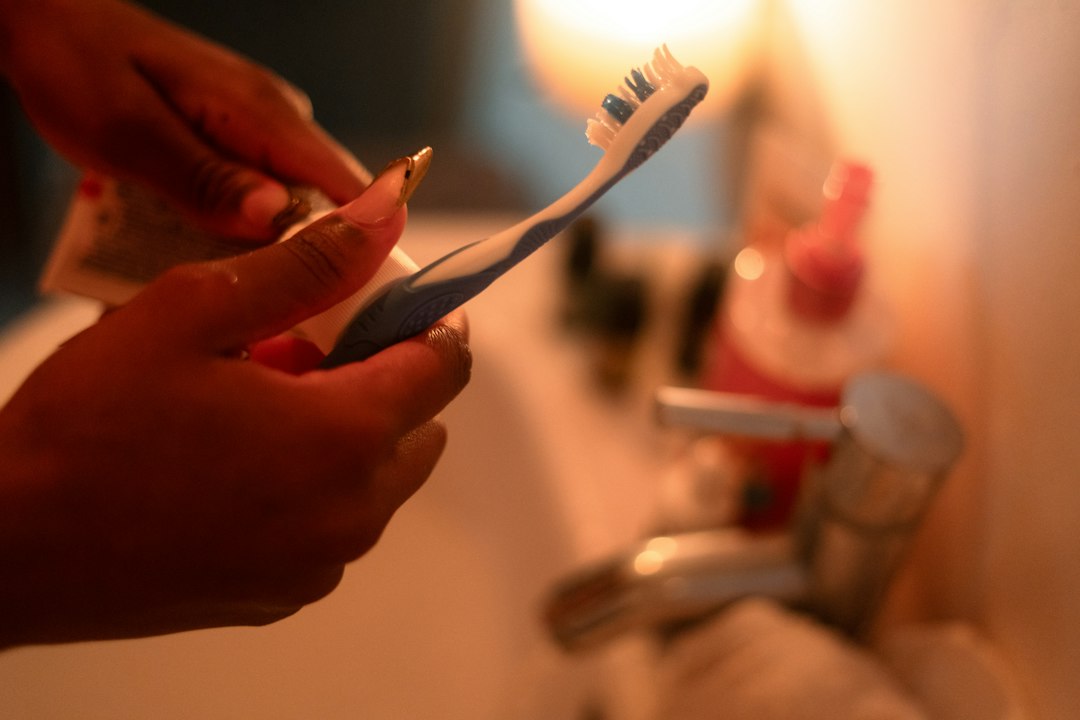
Over-the-counter adult toothpastes usually contain about 1000–1500 ppm fluoride. Brush twice daily for two minutes. Spit thoroughly, and avoid rinsing right away so a thin film of fluoride stays on teeth for a short time. For toddlers under age 3, use a rice-grain smear; for ages 3–6, use a pea-sized amount and help them spit.
Common fluoride types in toothpaste include sodium fluoride and stannous fluoride. Sodium fluoride focuses on enamel support. Stannous fluoride formulas add help with sensitivity and gum concerns for some people. If you often feel zings of sensitivity, you may also find these tips helpful: sensitive teeth care.
Mouth rinses
Fluoride mouth rinses are an optional add-on for people at higher cavity risk or for those who want an extra boost. Use them at a different time of day than brushing so your toothpaste’s fluoride is not washed away. For example, brush after breakfast and before bed, then use rinse after lunch.
Professional applications
Dental offices offer fluoride varnishes, gels, or foams. Varnish dries quickly on teeth and is commonly used for children and adults with higher risk. Frequency depends on your cavity risk and your dentist’s guidance—some people benefit at regular cleaning visits, others less often.
Comparison at a glance
| Option | Typical fluoride level (ppm or %F) | How it helps | Typical US cost (range) | Time/effort | How to use | Best for | Watch-outs |
|---|---|---|---|---|---|---|---|
| Fluoridated tap water | ~0.7 mg/L (≈0.7 ppm) | Frequent small exposures support enamel all day | Included in water bill | None beyond drinking water | Drink as usual; use for cooking | Everyone with access | Check local level; home water filters may change exposure |
| Fluoride toothpaste | ~1000–1500 ppm | Concentrated dose twice daily | $3–$8 per tube | 2 minutes, twice daily | Pea-size for ages 3–6; rice-grain smear for under 3 | All ages, supervised for kids | Spit, do not swallow; avoid rinsing immediately |
| Fluoride mouth rinse | ~225–500 ppm (OTC) | Extra daily boost between brushings | $4–$10 per bottle | 30–60 seconds, once daily | Use at a different time than brushing | Higher cavity risk; orthodontic patients | Not for very young children who cannot spit |
| In-office varnish/gel | High concentration (professional) | Periodic high‑strength support | Often $20–$60 per application | Minutes during a visit | Applied by dental professional | Kids, adults with higher risk, exposed roots | Follow post‑visit eating/drinking guidance |
Common mistakes that reduce the benefit (and quick fixes)
- Rinsing right after brushing. Quick fix: spit thoroughly and wait 10–30 minutes before rinsing or eating/drinking.
- Using too much paste for kids. Quick fix: rice‑grain smear under age 3; pea‑size for ages 3–6; supervise and help them spit.
- Using mouthwash right after brushing. Quick fix: use a fluoride rinse at a different time of day from brushing.
- Not checking your water level. Quick fix: read your local water report or test a well; adjust your routine if levels are low.
Fluoride vs fluoride‑free toothpaste: which fits you?
Fluoride toothpaste has decades of evidence showing it lowers cavity rates. For most adults and children who can spit, this is the default choice. Within fluoride options, pick what matches your needs and preferences: sodium fluoride for straightforward enamel support; stannous fluoride for those who also want help with sensitivity and gum concerns; flavor, texture, and foaming are personal choices. Look for the ADA Seal of Acceptance to find products that meet independent safety and efficacy criteria.
Fluoride‑free toothpaste may fit people who prefer to avoid fluoride or have been advised to avoid it temporarily. These pastes can help with cleanliness and fresh breath but do not provide the enamel‑strengthening benefit of fluoride. If you choose fluoride‑free, double down on thorough brushing technique, daily flossing or interdental cleaners, and sugar‑smart eating and drinking patterns. Consider using fluoridated water if available, or discuss other options with your dental professional.
Either way, your brushing routine matters as much as the paste. For a simple, dependable routine you can keep, see our step‑by‑step guides: the best ways to care for your teeth and dental care tips you can start using today.
Safety, side effects, and kids
At recommended levels, fluoride is considered safe for daily use across age groups. The most commonly discussed side effect is dental fluorosis, which can occur when children ingest too much fluoride while teeth are forming. It usually appears as faint white streaking on enamel. Here is how to lower the chance of that while keeping the benefits:
- Use the right amount of toothpaste for kids and supervise brushing until they can spit reliably.
- Keep products out of reach so young children do not access them without supervision.
- Do not let kids swallow toothpaste or mouth rinse. Spit after brushing and rinsing.
- Check fluoride levels in your water. If levels are high in a private well, your local health department can discuss options.
Adults and older adults benefit from fluoride too. Gum recession can expose root surfaces, which are softer and more cavity‑prone than enamel. Regular fluoride exposure helps keep those areas comfortable and intact.
Choosing a toothpaste: what the label means
Fluoride content is listed in parts per million (ppm). Many U.S. adult toothpastes are around 1000–1500 ppm. Children’s or “training” pastes may be fluoride‑free for families who want to avoid accidental swallowing; if you choose those, be sure to combine with other fluoride sources when appropriate.
- Fluoride types: Sodium fluoride supports enamel. Stannous fluoride adds sensitivity and gum support in some formulas. If staining occurs with a stannous product, many brands balance formulas with polishing agents; switching formulas can also help.
- ADA Seal: The American Dental Association Seal of Acceptance indicates the product meets independent criteria for safety and performance claims listed on the label.
- Flavor, abrasivity, and extras: Pick a flavor you like so you actually brush for two minutes. If you have sensitivity, look for that feature on the label. Avoid very abrasive pastes if you have exposed roots or cosmetic work.
Simple use tips
- Brush twice daily for two minutes; set a timer or play a short song.
- Spit, do not swallow, and avoid rinsing immediately afterward.
- Let your toothbrush air‑dry and replace it every 3–4 months or sooner if bristles fray.
FAQs about fluoride and cavities
Why are some people avoiding fluoride toothpaste?
Reasons vary: personal preference, concerns about overuse with young children, or sensitivity to a specific ingredient in a given brand. For most people who can spit, fluoride toothpaste is a practical, low‑cost way to lower cavity risk. Families who prefer to avoid it can still maintain good oral hygiene with careful brushing, flossing, sugar‑smart habits, and (where available) fluoridated water.
What is fluoride varnish?
It is a quick‑drying coating that a dental professional brushes onto teeth. It delivers a high level of fluoride to the surface, sticks for several hours, and then wears off. It is commonly used for kids and for adults with exposed roots or frequent cavities. Your provider will suggest how often it makes sense for you.
Is fluoride‑free toothpaste good?
It can help with cleanliness and fresh breath, but it does not provide the enamel‑strengthening effect of fluoride. If you choose fluoride‑free, be consistent with brushing and flossing and be mindful about sugary snacks and drinks. You can also get fluoride from other sources such as tap water in many communities.
Which teeth usually decay first?
For many children, grooves on the chewing surfaces of molars are common first sites because food and plaque linger there. For adults, areas between teeth and exposed root surfaces can be vulnerable. Technique matters: slow down on the back teeth and use floss or interdental brushes daily.
What helps control the bacteria that drive tooth decay?
Daily mechanical cleaning is key: brushing disrupts plaque on tooth surfaces, and flossing or interdental brushes clean between teeth where brushes do not reach. Fluoride helps enamel resist the acids those bacteria produce. Diet matters too—fewer sugary snacks and drinks lower the acid challenge.
How to check your water’s fluoride level and what to do next
- Find your source: If you are on city water, search for the latest Consumer Confidence Report for your utility or consult public health dashboards. If you use a private well, arrange a fluoride test through your health department or a certified lab.
- Know the target: Around 0.7 mg/L is the commonly used level for community systems in the U.S.
- Adjust your routine: If levels are low, make sure you brush twice daily with a fluoride toothpaste and consider a fluoride mouth rinse if your dental professional suggests it. If levels are high in a private well, ask about options for adjusting household exposure.
- Re‑check after changes: If you install a water filter or switch bottled water brands, verify how that affects fluoride content.
When your routine lines up—reliable brushing, sensible snacks, and the right fluoride sources—you put the odds in favor of strong enamel and fewer dental surprises.