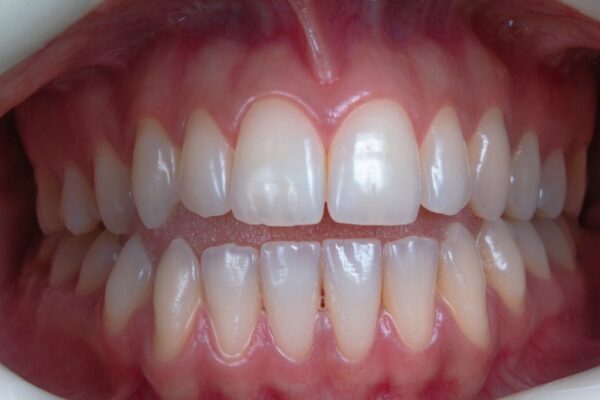
All of my teeth are aching: why it happens and what to do

If all of my teeth are aching, the ache usually comes from whole‑mouth triggers such as grinding or clenching, sinus pressure, or generalized sensitivity—not a single cavity. Start by easing triggers: avoid very hot or cold drinks and acidic foods, switch to a soft toothbrush with a non‑whitening fluoride toothpaste, gently floss, and try a warm salt‑water rinse. Pay attention to patterns: morning soreness often points to clenching, pain that flares with congestion or bending forward can match sinus pressure, and sharp stings to cold or sweets fit sensitivity.
If it doesn’t settle within a few days, gets worse, or interferes with sleep or eating, arrange a dental visit. In the meantime, keep a short note of when the ache shows up and what sets it off; that list helps your dentist pinpoint the source. Avoid common irritants—over‑brushing, chewing ice, whitening products during a flare, or harsh alcohol‑heavy mouth rinses—which can make the whole mouth feel more tender.
All of my teeth are aching: quick answer and what to do now
When every tooth seems to ache, it’s common to assume there’s a hidden, severe issue in one spot. More often, the whole‑mouth pattern comes from either clenching/grinding that overloads many teeth at once, sinus pressure pressing on upper molars, or sensitivity from worn enamel or exposed root surfaces. The actions below target those broad triggers rather than a single tooth:
- For sensitivity: pause whitening products, avoid very hot/cold or very sweet foods and drinks for 48–72 hours, use a soft brush with small circles, and switch to a gentle fluoride toothpaste (a labeled desensitizing option may help).
- For clenching: if you already have a night guard or retainer, wear it as directed. During the day, practice the cue “lips together, teeth apart.” Add short jaw‑relaxation breaks (stretch, unclench, breathe).
- For sinus patterns: hydrate, use a warm shower or steam inhalation, rest with your head slightly elevated, and note whether the ache changes with congestion or air travel.
What not to do during a flare:
- Don’t scrub hard or brush more than twice daily—gentle technique protects the surface and gums.
- Don’t chew ice or very hard candies; they can stress sensitive areas.
- Don’t use strong alcohol rinses; they can sting and dry the mouth.
- Don’t whiten until the ache calms; many whitening products can intensify sensitivity temporarily.
| How it feels | When it shows up | Most consistent with | First steps at home | Arrange care if | Notes |
|---|---|---|---|---|---|
| Sharp zings to cold/sweets | Immediately with icy drinks or candy | Sensitivity (enamel wear, exposed root) | Use gentle fluoride toothpaste, avoid extremes, pause whitening | Lasts beyond 2–3 days or expands to pressure pain | Track triggers and bring your list |
| Dull, diffuse pressure across many teeth | Worse in the morning or after stress | Clenching/grinding (bruxism) | Wear a guard if prescribed, practice “teeth apart” cues | Persistent daily ache or jaw fatigue despite self‑care | Note headaches or jaw tightness |
| Ache in upper molars, changes with head position | With colds, congestion, or air travel | Sinus pressure | Hydrate, warm steam, rest elevated | Worsening ache or facial pressure for several days | Mention recent illness or allergies |
| Tender gums, whole‑mouth soreness | After aggressive brushing or new mouthwash | Gum irritation | Switch to soft brush, gentle flossing, mild rinse | No improvement after 3–4 days of gentle care | Bring current products to your visit |
| Side‑specific pain on biting | Chewing one side or certain foods | Localized bite or cracked tooth | Chew on the opposite side, avoid hard foods | Immediate sharp pain or visible damage | Point to the exact tooth at your exam |
| Sudden sensitivity after whitening | Hours to days after whitening | Temporary sensitivity | Pause whitening, gentle routine | Lingering ache beyond a few days | Bring product details to discuss spacing sessions |
Common reasons your whole mouth hurts
Sensitivity from enamel wear or gum recession. When protective enamel thins or root surfaces become exposed, cold, heat, or sweets can set off brief, sharp sensations that feel like they jump from tooth to tooth. Brushing too hard, frequent acidic drinks (think citrus sodas or sports drinks), and whitening sessions stacked too close together all raise the chance of a flare.
Grinding and clenching (bruxism). Overnight clenching, daytime jaw tension, or stressful periods can load many teeth at once. The result is a dull, widespread ache that feels like pressure, sometimes paired with morning headaches or jaw muscle fatigue. If you already own a mouthguard, wearing it regularly can help distribute force and reduce irritation.
Sinus pressure. Your upper back teeth sit close to sinus spaces. During a head cold, allergy season, or altitude changes, pressure can make those molars feel tender and the pain may shift with head position. Hydration and warm steam often make it less noticeable.
Gum irritation. Over‑brushing, new strong mouthwashes, or skipping floss for a while then going “all in” can leave gums sore and teeth feeling tender along the edges. A softer routine usually calms things down.
Recent whitening or dental procedures. Whitening commonly increases sensitivity for a short time. A filling, cleaning, or other work can leave a tooth or area “awake” for a few days. Gentle habits and avoiding extremes can help it settle.
Hidden localized problems still matter. Even if the ache feels global, one cracked tooth, a high spot in your bite, or a cavity can radiate discomfort. That’s why persistent or worsening pain deserves a dental evaluation.
Self‑check: match your symptoms to likely triggers
Use these simple patterns to narrow the likely cause and choose a first step:
- Sharp, brief zings to cold/sweets: most consistent with sensitivity. Switch to gentle fluoride toothpaste and avoid extremes for 48–72 hours.
- Dull, constant pressure across many teeth: commonly linked to clenching. Add daytime reminders: “lips together, teeth apart,” shoulder roll, and a deep breath every hour.
- Ache that changes with congestion or bending forward: points toward sinus pressure. Hydrate, use warm steam in the shower, and rest with your head slightly elevated.
- Pain on biting one area or a specific tooth: focus on that spot at your visit—mention the exact food that sets it off.
Two micro‑habits for clenching‑related aches:
- Put a small sticker on your laptop or phone case as a cue to unclench your jaw at every glance.
- Set a recurring calendar nudge—“teeth apart”—at the times you usually focus hard (afternoons or deadlines).
Want a deeper look at daily comfort habits? See our guide on gentle routines for sensitive teeth: Sensitive teeth care: daily habits, products, and comfort tips. For broader oral‑care habits, you can also read The Best Ways To Care For Your Teeth.
Calm the ache at home (non‑medication options)
Adopt a gentle routine. Brush twice daily with a soft brush using small circles and light pressure. Choose a non‑whitening fluoride toothpaste; many people find a desensitizing formula (as labeled) helpful during flares. Floss gently once a day—aim for comfort over perfection during a sore stretch.
Reduce triggers for 48–72 hours. Hold off on very hot or icy drinks, acidic or very sugary snacks, and strong alcohol‑heavy rinses. Many people notice that room‑temperature water and softer foods feel better while the mouth settles.
Warm salt‑water rinse. Mix a half teaspoon of salt into a cup of warm water. Swish gently and spit, once or twice daily, to help the mouth feel more comfortable.
If you already have a mouthguard or retainer. Wear it as directed—consistent use can lessen force on teeth overnight and reduce morning soreness.
Daytime jaw relaxation. Throughout the day, gently touch your tongue to the roof of your mouth just behind the front teeth, let your jaw drop slightly, and keep your teeth apart. Repeat for a few breaths whenever you notice tension.
For a step‑by‑step overview of daily care, you might also find this practical piece helpful: Practical Advice For A Clean And Healthy Mouth.
When to book a dentist and what to expect
Timelines and expectations. Sensitivity flares often ease within 2–3 days of gentle care. Clenching‑related aches may ebb and flow with stress; they usually improve with a few days of jaw‑relaxation cues and consistent mouthguard use (if you have one). If whole‑mouth aching lasts more than a few days, keeps returning, or wakes you up at night, schedule a checkup.
What a visit may include. You’ll share your note of triggers and patterns, then the team will ask questions and examine your teeth, gums, and jaw muscles. Depending on the findings, they may take x‑rays or check your bite for high spots. A routine visit typically takes 30–60 minutes.
Typical US cost snapshots (ranges vary by location). A new‑patient exam with x‑rays often falls somewhere around $100–$250. A basic cleaning may be in the $75–$150 range. If sensitivity is the main issue, offices sometimes offer in‑chair desensitizing options (fees vary). Custom mouthguards are highly variable; many offices quote several hundred dollars. Ask your clinic about payment plans—many have options that spread costs out.
No insurance? Consider dental schools, community clinics, nonprofit programs, membership plans, or discount programs. Many areas host low‑cost days or sliding‑scale services; a quick call to local clinics can surface options you might not find online.
Reduce future flare‑ups
Daily habits. Keep brushing gentle and consistent, use fluoride toothpaste, and floss daily. Limit acidic sips (sodas, citrus drinks) and very frequent snacking, which can lower comfort and make sensitivity more likely.
Manage clenching. Address daytime stress with short breaks, stretch your neck and shoulders, and keep “teeth apart” reminders visible. If you suspect overnight clenching, discuss guards at your visit—consistent wear can help distribute force.
Whitening smartly. Space whitening sessions and follow product directions exactly; stop during sensitivity and restart only when things feel calm.
Routine checkups. Regular visits catch small bite issues, early wear, or gum irritation before they spread and cause widespread ache.
FAQ
Why do all my teeth feel like they are throbbing?
Throbbing across many teeth often points to clenching or sinus‑related pressure. If you also notice morning jaw tightness, headaches, or stress spikes, clenching is a likely contributor. If it changes with congestion or flight travel, sinus pressure may be the driver. Gentle routines, hydration, and jaw‑relaxation cues may help while you arrange a dental evaluation if it persists.
Why is my tooth aching all the time?
A constant ache can come from sensitivity flares, an overloaded bite, or a localized problem (like a high spot on one tooth) that spreads the discomfort. Note the patterns, ease triggers for a few days, and book care if it keeps returning.
How do I get my teeth to stop aching?
For the next 48–72 hours, reduce extremes (very hot/cold, acidic/sugary snacks), switch to gentle fluoride toothpaste, and use a warm salt‑water rinse. If you have a guard, wear it nightly. Many cases calm with this approach; if not, your dentist can check for bite issues or side‑specific problems.
Why do the roots of my teeth hurt?
Roots can feel tender when gums recede and root surfaces become exposed; cold water or sweet foods often trigger quick zings. A gentle routine and labeled desensitizing toothpaste may help. Your dentist can discuss options to improve comfort.
All my teeth hurt all of a sudden — what changed?
Think about recent shifts: whitening, a new mouthwash, increased stress or jaw tension, a head cold or allergy flare, or more frequent acidic drinks. Any of these can tip your mouth into a short‑term ache. Roll back triggers, track what you notice, and book care if it doesn’t settle quickly.
For more general oral‑care advice and simple habits that support comfort day to day, see How To Take Good Care Of Your Teeth.