New Year Self-Care: A Gentle, Sustainable Starter Plan
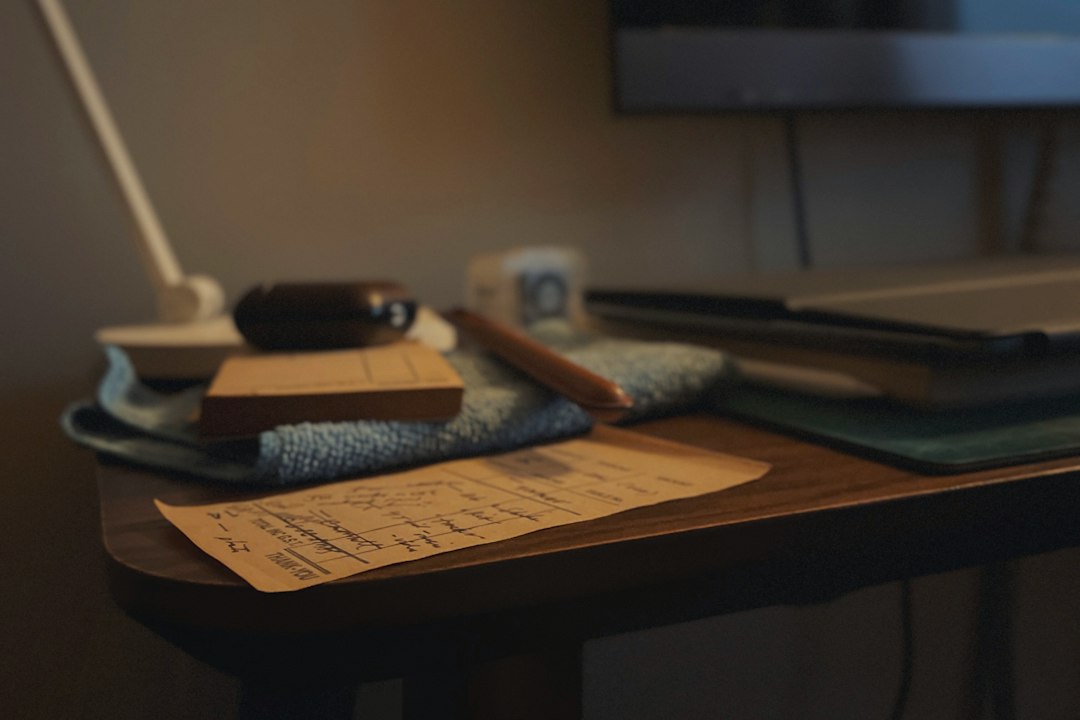
new year self-care means replacing all‑or‑nothing resolutions with a few gentle, sustainable habits that protect your mental, physical, and emotional energy.
Start today by choosing one low‑effort action—better sleep, kinder movement, or a digital boundary—for 10 minutes, schedule it three times this week, and track how you feel so you can adjust without judgment.
Quick answer: what new year self-care really means (and how to start today)
New Year energy is real, but so is December burnout. The quiet shift that works is tiny by design. You’re not committing to a total life overhaul. You’re creating small routines that guard your attention, help you rest, and lower friction so you can keep going. If a habit takes less than 10 minutes and requires almost no setup, it’s in the right zone.
Use this three-step quick start. One, pick a single 10-minute action that fits your mood today: lights-dim wind-down, a slow walk, a two-minute breathing reset, or a phone-free hour at any time that’s realistic for you. Two, put it on your calendar three times this week, and add reminders or cues like a note on your nightstand. Three, jot one line afterward: What did you do? How did you feel? What would help next time? That’s enough data to iterate next week.
Choose by desired outcome and budget. If you want calm, look at sleep and wind-down rituals. If you want energy, pair a gentle movement with music you like. If you need connection, send a short message to someone you care about. Match ideas to your time, cost, and energy budget: 10/30/60 minutes, free/low spend, and low/medium/high energy. Don’t overhaul everything. Remove friction: put your book on the pillow, chargers outside the bedroom, shoes by the door. The easier it feels, the more you’ll repeat it.
Do a 5-minute audit: pick your focus for January
A short audit sets guardrails. Set a timer for five minutes and answer these prompts on a sticky note or in your notes app. Name one drain from last year and one boost. A drain could be late-night scrolling or skipping meals. A boost might be a lunchtime walk or reading before bed. Keep what worked, and shrink what didn’t.
Set one micro goal for the next two weeks. Make it specific, tiny, and scheduled. Examples: in bed by 11 pm three nights a week, a 10-minute walk after lunch twice a week, one screen-free hour each afternoon, or writing one gratitude line before sleep five nights. Micro goals remove pressure and build evidence that you follow through.
Decide your weekly budget. Time: how many 10-, 30-, or 60-minute blocks can you realistically do? Energy: label this week low, medium, or high. Cost: aim for zero or a small optional spend. Then choose one to three domains to begin—sleep, movement, digital boundaries, mindfulness or journaling, connection, creativity, or home reset. If you’re unsure, most people benefit from sleep plus one support (movement or digital boundary). For broader daily habit ideas, skim this simple guide to everyday routines: Daily Mental Health Routine: Simple Habits for Everyday Wellbeing.
Build your plan with 10-, 30-, and 60-minute self-care menus
Use these menus like a diner board. Pick one 10-minute option for busy days, a 30-minute option for steadier days, and a 60-minute option for weekends or when you have more space. Label each by energy and cost so you can match it to your situation in seconds.
10-minute menu (low energy, $0)
- Breathing reset: 4-7-8 or box breathing for five cycles.
- Gentle stretch: neck rolls, shoulder circles, hamstring stretch, then sit quietly.
- Analog wind-down: lights low, no screens; read two pages or listen to soft music.
- Gratitude line: write one sentence about something that felt good today.
- Fresh air on the doorstep: step outside, notice the sky, inhale and exhale slowly.
30-minute menu (low/medium energy, $0–$)
- Walk outside: choose a familiar route; bonus if you catch daylight.
- Screen-free hobby: sketch, knit, play an instrument, or tinker with a puzzle.
- Meal prep basics: wash greens, cook a grain, or portion snacks for tomorrow.
- Tidy reset plus music: 15-minute timer on one space; finish with a favorite song.
60-minute menu (medium energy, $0–$$)
- Nature walk or park visit: slow pace, look for three new details in your environment.
- Batch cooking basics: a pot of soup, roasted veg, or a protein for the week.
- Long bath with a book: lights low, a candle if you like, and a warm drink nearby.
- Creative session with a friend: shared playlist, quiet work side-by-side, or a craft night.
To help you compare options at a glance, use this quick table:
| Category | Goal/Benefit | Time (10/30/60) | Energy (Low/Med/High) | Cost (Free/$/$$) | Example | Where (Home/Outdoors) |
|---|---|---|---|---|---|---|
| Sleep/Wind-down | Calm body and mind | 10 | Low | Free | Lights low + two pages of reading | Home |
| Digital boundary | Protect focus and rest | 30 | Low | Free | One screen-free hour | Home |
| Movement | Gentle energy boost | 30 | Low/Med | Free | Walk with music | Outdoors |
| Mindfulness | Steady attention | 10 | Low | Free | Box breathing | Home |
| Journaling | Reflect and release | 10 | Low | Free | One gratitude line | Home |
| Connection | Social support | 10 | Low | Free | Send a kind message | Home |
| Creativity | Play and flow | 60 | Med | $ | Craft night | Home |
| Nature/Light | Daylight exposure | 30 | Low | Free | Park walk | Outdoors |
| Home reset | Reduce visual clutter | 30 | Low | Free | 15-minute tidy + music | Home |
Use this printable weekly checklist to track without judgment:
- Sleep/Wind-down done
- Movement done
- Digital boundary kept
- Mindfulness/Breath done
- Journal/Gratitude done
- Connection (message/call) done
- Creativity/Hobby done
- Nature/Light done
- Home reset done
Core new year self-care: sleep, digital boundaries, and rest rituals
Start with sleep because it improves almost everything else. Create a 60-minute wind-down window most nights: dim lights, lower audio and visual stimulation, and cool the room slightly. Set a caffeine cut-off time that fits your body. Try a consistent wake time within a 30-minute range, even on weekends. If your schedule is irregular, protect one anchor habit like reading two pages in bed or five minutes of breathing before lights out.
Digital boundaries lower noise and reclaim attention. Set app timers for the top two time sinks. Move chargers out of the bedroom and declare the bedroom phone-free. Curate who you follow and mute accounts that raise your stress. Aim for one screen-free hour daily; it can be during dinner, a walk, or the first hour after wake-up. If you’re exploring broader strategies for mood and routine, this compassionate guide can help: Depression self-care strategies: a realistic guide for everyday life.
Rest rituals are small cues that tell your body it’s safe to pause. Build a cozy corner with a blanket and a lamp. Allow a short nap when the day allows and it fits your body clock. Use music or reading as a switch-off cue. A warm drink, a quick stretch, and a page of light reading is a simple triad many people find soothing. If you want a structured plan to weave these into daily life, see this practical planning guide: Build a mental health improvement plan that fits real life.
Movement, mindfulness, and journaling — gentle ways to reset
Movement doesn’t need to be intense to be valuable. Try a 10-minute walk after breakfast or lunch. Pair it with a habit you already do, like coffee or finishing a meeting. Mix in stretching or a short dance break to music you enjoy. On days when energy is low, take the first step only: shoes on, outside for one minute, then decide whether to continue. It counts even if you come back in.
Mindfulness micro-practices steady attention without pressure. Two options: 4-7-8 breathing (inhale for 4, hold for 7, exhale for 8) for five cycles, or box breathing (4 in, 4 hold, 4 out, 4 hold). Both are simple ways to calm your nervous system before sleep or during a mid-day reset. A two-minute body scan—notice the forehead, jaw, shoulders, and hands—can release tension. Keep it short, friendly, and repeatable.
Journaling helps you process. Keep it easy with a one-line daily check-in: Today felt like [blank] because [blank]. Or write three wins/thanks each night. Once a week, answer one reflection prompt: What helped this week? What pulled me off track? What do I want to try next? Tiny entries add up over time and make it easier to adjust without self-criticism.
Avoid common mistakes and stay consistent
All-or-nothing thinking is the fastest way to stall. Shrink the habit, don’t skip it. If you planned a 30-minute walk and it rains, do three laps inside for five minutes. Overscheduling is another trap. Cap yourself at one to three micro habits for two weeks. Then review your notes to decide whether to keep, change, or drop a habit. Sustainability beats ambition.
Trends aren’t always helpful. Choose actions by your desired outcome and today’s energy level, not by what’s trending online. If perfectionism creeps in, switch to a smaller dose or lower the bar: five-minute wind-down instead of 60, one message to a friend instead of a long catch-up, or a short tidy reset. Track without judgment and celebrate streaks of effort, not flawless runs. Use your checklist to see progress on the page.
If you’re building a longer plan around mood fluctuations, these two articles offer grounded, realistic tactics: Build a depression self-care plan that fits your life and Managing Depression: A Practical, Compassionate Guide for Daily Life. Use them as references, and adapt ideas to your energy and schedule.
A one-week new year self-care starter plan you can copy
Here’s a simple template for the first seven days. Use the 10/30/60 menus based on your time and energy. Adjust the order freely.
- Monday: 10-minute wind-down. Dim lights, read two pages, write one gratitude line.
- Tuesday: 30-minute walk outdoors. If that’s too much, do 10 minutes and note how you feel.
- Wednesday: Digital boundary: one screen-free hour after dinner. Place your phone in another room.
- Thursday: 10-minute breathing reset + journal one line about your day.
- Friday: 30-minute tidy reset with music. Choose one space and set a timer.
- Saturday: 60-minute nature walk or a creative session with a friend.
- Sunday: Meal prep basics for 30 minutes and a 10-minute wind-down before bed.
Tailoring tips: students can place the screen-free hour before studying and use a 10-minute walk as a transition between classes. Busy parents can anchor a 10-minute wind-down after kids’ bedtime and make the Saturday creative session a family art time. Shift workers can move the wind-down to any consistent pre-sleep window and choose daylight exposure whenever it’s available. The rule is doses stay tiny and repeatable.
Edit the plan when something feels tight. If one habit creates friction, shrink it or swap the time of day. Friction is a teacher: it shows where to remove steps, lower stimulation, or change location. Use your one-line notes to choose what to adjust next week.
FAQs about new year self-care
What are good New Year’s resolutions for a healthy life?
Swap big resolutions for micro goals that compound. Examples: in bed by 11 pm three nights a week, one screen-free hour daily, a 10-minute walk three days a week, a weekly check-in with a friend, and a Sunday 30-minute home reset. These are specific, small, and easier to keep than broad goals like “get fit.”
What are some good self-care lists I can do?
Build a 10/30/60 menu list and a weekly checklist. Include sleep/wind-down, digital boundary, movement, mindfulness/breathing, journaling, connection, creativity, nature/light, and home reset. Put the checklist on your fridge or in your notes app so you can mark progress quickly.
What are the 7 pillars of self-care?
There are different versions; a practical one for daily life includes physical (sleep and movement), mental (attention and focus), emotional (journaling and compassion), social (connection), spiritual or values-based (meaning practices that fit you), environmental (tidy and light exposure), and practical/financial basics (simple planning and essentials). Use these as categories to balance your week.
What are examples of wellness goals for 2026?
Think tiny and clear: consistent wake time, 10 minutes of movement most days, one screen-free hour daily, weekly meal prep basics, a weekly nature walk, and a monthly friend meetup. Add one values-based practice, like volunteering once a quarter or a weekly gratitude line.
How do I start a self-care routine when I have no time?
Start with the smallest possible dose: a single 10-minute block three times this week. Place it after something you already do (after coffee, after lunch, or before bed). Prepare your environment so it’s easy: book on the pillow, shoes by the door, phone charging outside the bedroom. When life gets crowded, shrink the dose, don’t skip it.
As you build your rhythm, you can return to these support guides for ideas and structure: Daily Mental Health Routine and Build a mental health improvement plan that fits real life. Keep the tone gentle, track how you feel, and adjust without judgment.