CPAP mask fit: a practical path with The CPAP Shop
Disclosure: This article contains affiliate links. We may earn a commission if you buy through them.
CPAP mask fit matters when you compare the comfort, shape, and practical details of a new mask for your prescribed setup. If you’re considering a lighter mask or a different style, start with what bothers you about the current one. The CPAP Shop offers mask-selection tools, several mask categories, and an exchange policy that can make the shopping decision easier to organize. Those tools help you prepare questions about size and compatibility before you spend money.
Start with CPAP mask fit before comparing brands
When you prioritize fit, a few early decisions become easier: the mask type you’ll discuss with your supplier, how you’ll check the sizing, and what happens if your first choice feels bulky. The CPAP Shop advertises a 75-day exchange window for most masks. Use the 75-day mask trial as a shopping consideration, while checking the current conditions for the exact item. An exchange option does not mean every mask or separately opened component has the same return terms.
Fit tools help, but support also matters while you’re adjusting. The CPAP Shop emphasizes its experience helping sleep apnea customers for over 15 years and offers phone, chat, and email assistance. That combination of guidance and Customer support when switching masks makes it easier to troubleshoot early leaks, strap adjustments, or cushion sizing without starting over.
Shipping and pricing terms can influence when you order a replacement. The CPAP Shop advertises continental-US delivery and a price-match policy within seven days of purchase. Its bundle page also describes free shipping on orders over $50, so check your actual cart rather than assuming every order qualifies. Ask the team to confirm the relevant mask exchange terms, delivery charges, and price-match eligibility before placing the order. Keeping those details together makes comparisons with another seller more useful than looking at the headline price alone.
Is a nasal pillow CPAP mask right for you?
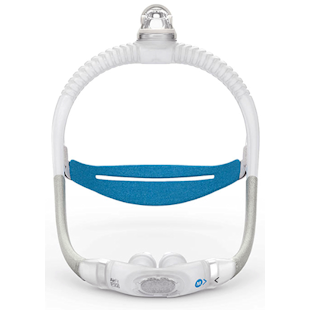
Nasal pillow masks appeal to shoppers who want less material around the face and a clearer field of view. Reading before bed, wearing glasses, and disliking a larger frame are practical reasons to compare this category. The CPAP Shop’s category page emphasizes minimal face contact. That is a useful design distinction, but it does not decide which mask is appropriate for your prescribed therapy or your breathing pattern. Use it to narrow the shopping questions you take to your clinician or equipment supplier.
A smaller contact area changes the feel of a nasal pillow mask. Compatibility needs a separate check: the store identifies exceptions such as the AirMini. Give the supplier your exact machine model and proposed mask, and confirm the required connection before ordering.
Discuss mouth leaks with your clinician before choosing a different mask style or adding a chin strap. The CPAP Shop discusses nasal and full-face alternatives and mentions chin straps in its category guidance, but that is general retail information. For your shopping comparison, the useful question is which of the clinically suitable options has the size, shape, replacement parts, and exchange terms you want. That keeps an equipment purchase connected to the setup prescribed for you.
Plan for upkeep as part of this decision. The store’s FAQs suggest replacing nasal pillow cushions about every 30 days and note that complete masks often show wear over 6–12 months. Daily and weekly cleaning habits also matter, because skin oils degrade seals; a worn or oily cushion will make even a great-fitting mask leak. If you do choose nasal pillows, check the cushion periodically and keep a spare on hand so a stretched or flattened pillow doesn’t disrupt your week.
Still unsure? Compare one suitable nasal pillow option with the recommended nasal or full-face alternative. Check supplied cushion sizes, replacement parts, and connectors. The CPAP Shop can explain the listed components and exchange process, helping you compare the complete cost of the two setups.
Dial in CPAP mask fit with Maskfit and guides
Before you buy, use guidance designed to improve your seal. The CPAP Shop’s Maskfit technology is described as adapting to facial contours for a closer fit. Use the digital tool as a starting point for comparing masks, with final fit checked against the product instructions. That’s particularly useful if you’ve struggled with minor leaks around the nose or cheeks, or you find yourself overtightening straps to stop whistling.
Pair Maskfit with their guide library. The site highlights expert guides that explain mask types, how they differ, and which machine features matter. If you’re comparing nasal pillows against nasal or full-face options, these guides help you translate features (such as frame shape or cushion material) into practical implications—what that shape means for your nightly comfort and seal strength.
Try Maskfit to personalize your seal, then verify logistics. The CPAP Shop notes that a prescription is required to purchase CPAP machines and some parts. Their team is available via call, chat, or email if you need help matching a mask to your current equipment settings or confirming which parts require documentation.

Worked decision: nasal pillow vs full face using bundles
Here’s a hypothetical buying decision. Suppose your clinician or equipment supplier has identified two suitable mask options, and you want fewer separate orders for replacement parts. A nasal pillow model appeals because of its smaller footprint, while a nasal mask is available as a premium bundle. The question is whether the bundle’s included parts are useful enough to favor that purchase, or whether you would rather order the nasal pillow mask and its matching spare separately.
Premium Mask Bundles from The CPAP Shop include a mask, headgear, and an extra cushion, with choices across full-face and nasal categories from recognized brands. After purchase, their team continues to support customers, which matters if you need help with initial adjustments or want to swap sizes within the trial window.
Bundles include an extra cushion, but the current bundle catalog lists nasal and full-face choices; it does not establish that a nasal pillow bundle is available. For the nasal mask, compare the bundle contents with the mask-only listing and the cost of its matching spare. For the nasal pillow option, confirm which headgear and cushions are included and price any separate spare you want. If your preferred size or style needs an exchange, ask how the policy applies to the mask and each opened accessory before relying on the bundle’s overall value.
Two caveats shape the decision. First, compatibility is broad across the market, but not universal: most masks work with most machines, while the ResMed AirMini requires compatible AirFit masks through specific setup packs. Second, if you’re thinking about using a travel device for regular, daily therapy, the store notes that portable units can handle daily use but may have a shorter service life than if used occasionally. In short, bundles reduce setup friction and add value, but they also include parts you might already own. If you keep spares on hand or prefer a particular headgear style, buying à la carte could better match your preferences and budget.
Keep your fit consistent with parts and upkeep
A strong seal today depends on yesterday’s cleaning and last month’s replacements. The CPAP Shop’s care guidance stresses daily wipe-downs with mild soap and weekly scrubbing to remove built-up oils. Those oils gradually soften cushions and encourage leaks, so simple cleaning habits can reduce avoidable adjustments.
Plan replacements on a rhythm. The store suggests replacing nasal pillow cushions about every 30 days and notes that whole masks typically show wear within 6–12 months. That’s a cue to watch for early signs—flattened pillows, stretched headgear, a cushion that no longer holds its shape—and replace components before small leaks turn into frustrating nightly fixes.
Convenience matters, too. If you want one stop for spares, The CPAP Shop lists broad mask-part categories across major brands, including cushions and pillows, headgear, and frames or short tubing. Their FAQs also explain common leak causes—such as moisture on the face or a loosened strap—so you can decide whether cleaning, a small adjustment, or a fresh part is the right next step.
Check cushions for visible wear and follow the care and replacement instructions for your specific mask. The store’s suggested replacement intervals can help you plan for spares, while the condition of the part and its manufacturer’s guidance remain relevant. Remember that worn parts can affect the seal; keeping the correct replacement part on hand makes upkeep easier to organize.
Common objections: leaks, compatibility, travel
“My mask leaks unless I crank it down.” The store’s fit FAQ suggests a nasal mask should be snug, but not tight; red marks are a sign of overtightening. Loosen slightly, reseat the cushion, and recheck the seal while lying in your typical sleep position. If you still can’t get a seal, use the exchange window to try a different size or style at The CPAP Shop. Snug, not overtight is the north star here.
“Will a new mask work with my current machine?” Generally, yes: the store’s FAQ says almost all CPAP masks are compatible with most machines. The notable exception is the ResMed AirMini, which supports specific AirFit masks via setup packs. If you use an AirMini, confirm your mask path before you buy. For other devices, confirm the exact connection rather than assuming that a familiar brand name establishes compatibility.
“Can a travel unit handle everyday use if I downsize?” The guidance says portable machines can be efficient and sturdy for regular use, but daily use may reduce their overall service life compared to occasional travel. If you’re weighing that tradeoff, factor longevity into your plan and consider a standard machine for home with a travel unit as a dedicated backup.
Above all, remember your safety net. If persistent leaks or discomfort remain after cleaning and adjustment, the store’s long exchange window is there—Use the trial if leaks persist—so you can move to a better-fitting mask without starting from scratch.
Your next step with The CPAP Shop
Take one action that moves you from uncertainty to a testable plan. Use Maskfit on The CPAP Shop to size a nasal pillow or alternative mask, choose the first style you’ll trial, and prepare a spare cushion. If questions come up, their team—serving sleep apnea customers for over 15 years—can help by phone, chat, or email. Ask which parts require a prescription and how their exchange process works for the mask you’re selecting.
Before ordering, confirm the price-match policy and the free shipping terms for your cart. The CPAP Shop also operates a store in West Berlin, NJ, if an in-person purchase suits you. A useful final check is whether you know the exact mask and size, the compatible connection, the included components, and the applicable exchange terms. If persistent leaks or discomfort remain, contact your clinician or equipment supplier for fitting support instead of judging the setup solely by a single night’s experience.